

Small but Significant
A pull is often to most touched part of our work

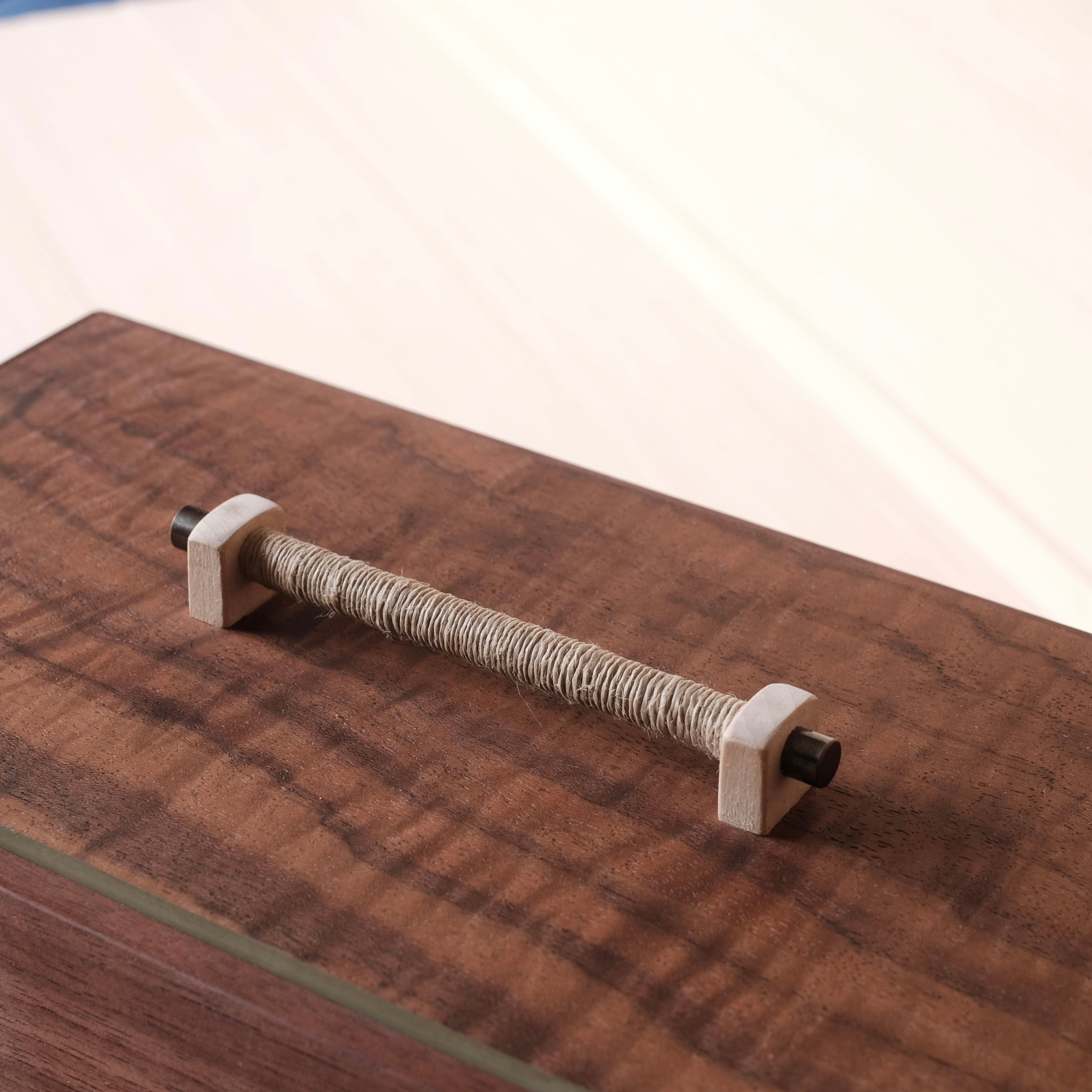
In the past, I have stressed how important it is to design down to the final detail, and it’s rather common, I think, for the last detail to be a pull or handle. Start with the grand, like overall proportions and dimensions, and work down until the everything is settled. But I’ll admit that I long found pulls challenging. I’d design an entire cabinet or box and then just slap a simple rectangular pull on it. Why? Well, I guess I felt that I couldn’t come up with a pull or handle that complimented to piece without taking too much of the attention.
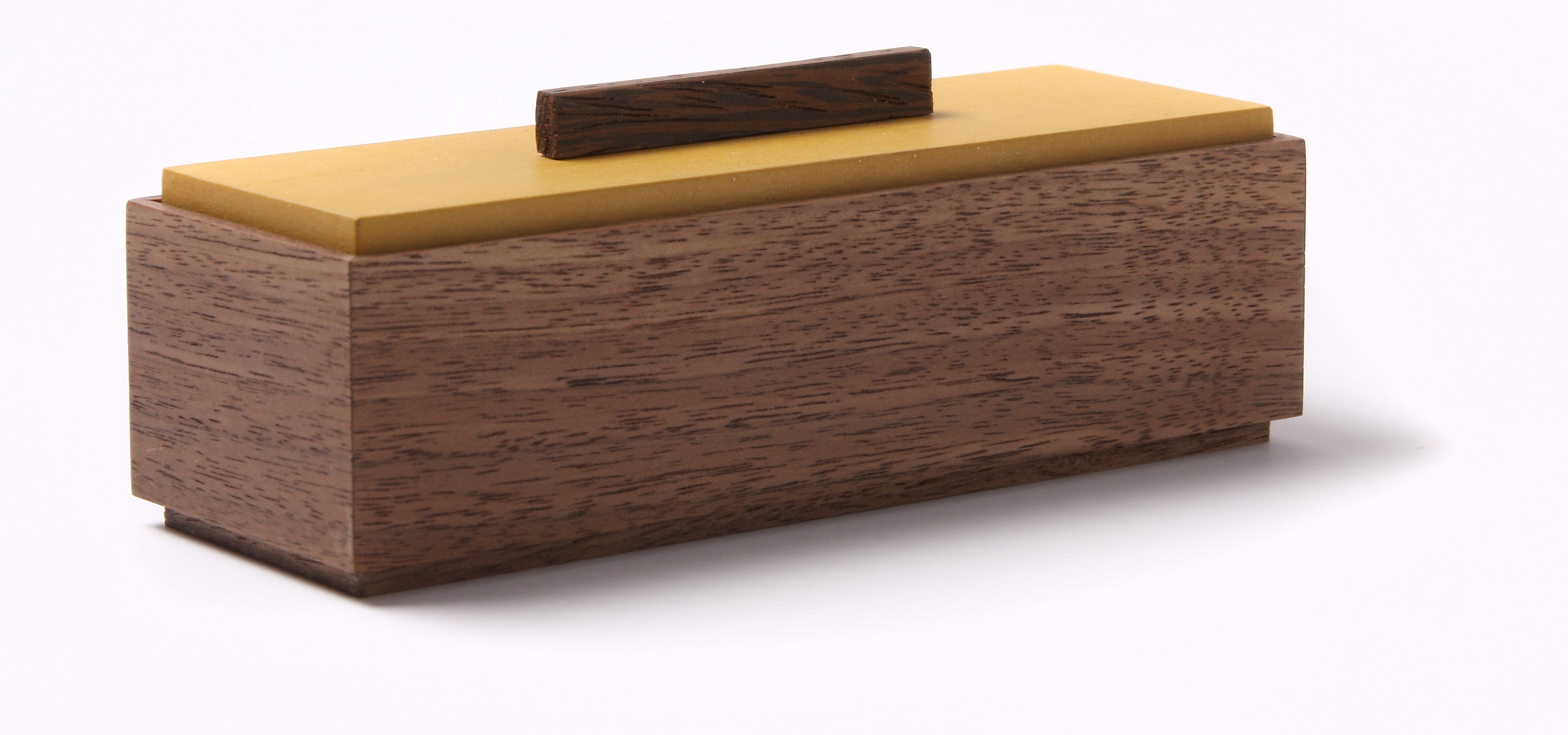
Thankfully, I began to push myself and slowly moved away from boring rectangular pieces of wood. My first step away wasn’t too exciting, but it was different: a bar glued into two painted feet.
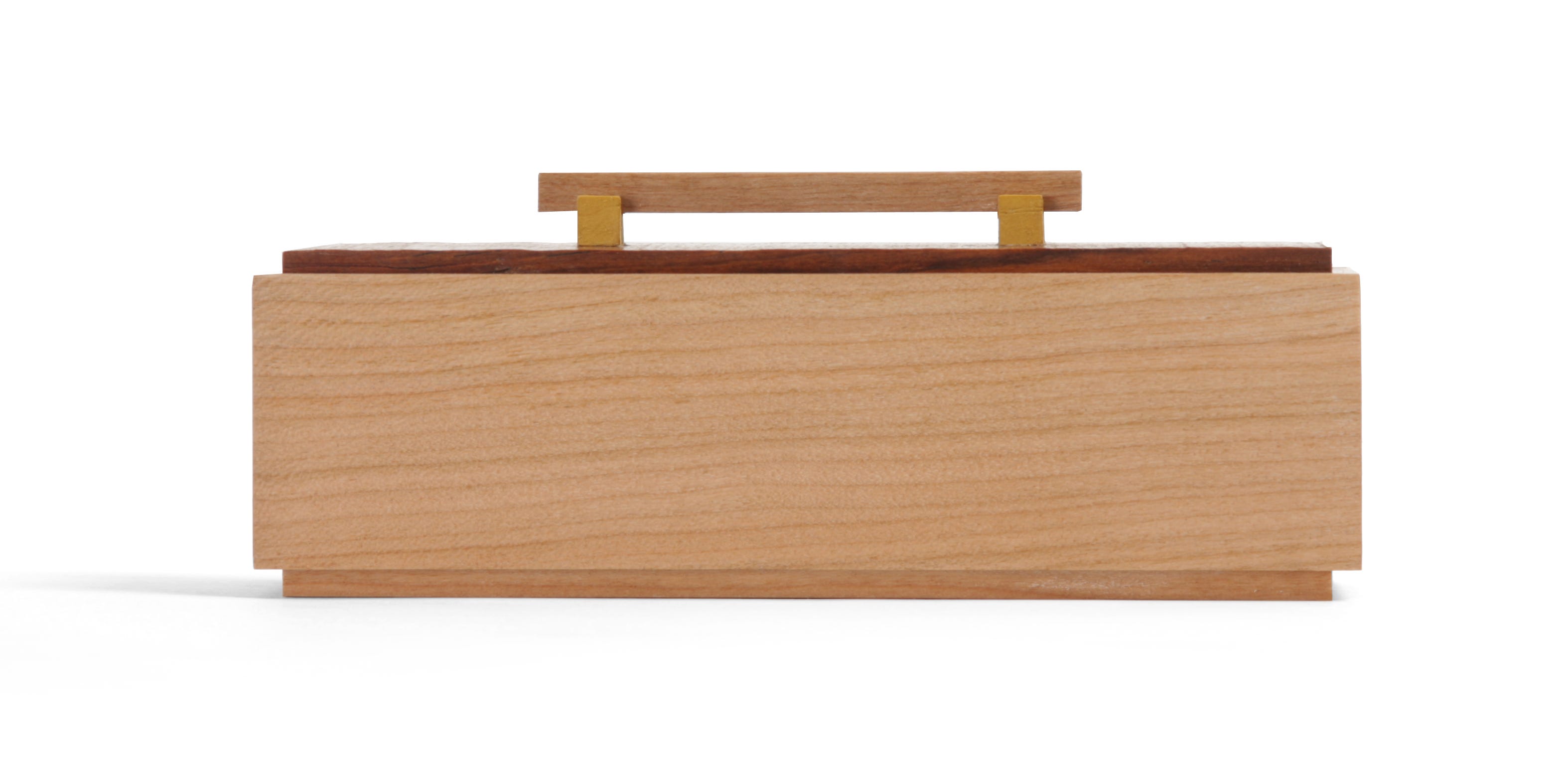
It’s important to take time with the pull, because it’s what we interact with the most on any piece of furniture or a box. A pull should be inviting, feel pleasant in the fingers, be easy to grasp, and perform it’s job well.
Those goals prompted me to add a new material to my pulls: thread. Thread feels good, is grippier than bar wood, and is attractive. I also began to cut angles on the ends of the bar and feet. I learned the technique for wrapping the thread from fly fishing. It’s how line guides are attached to the rod.
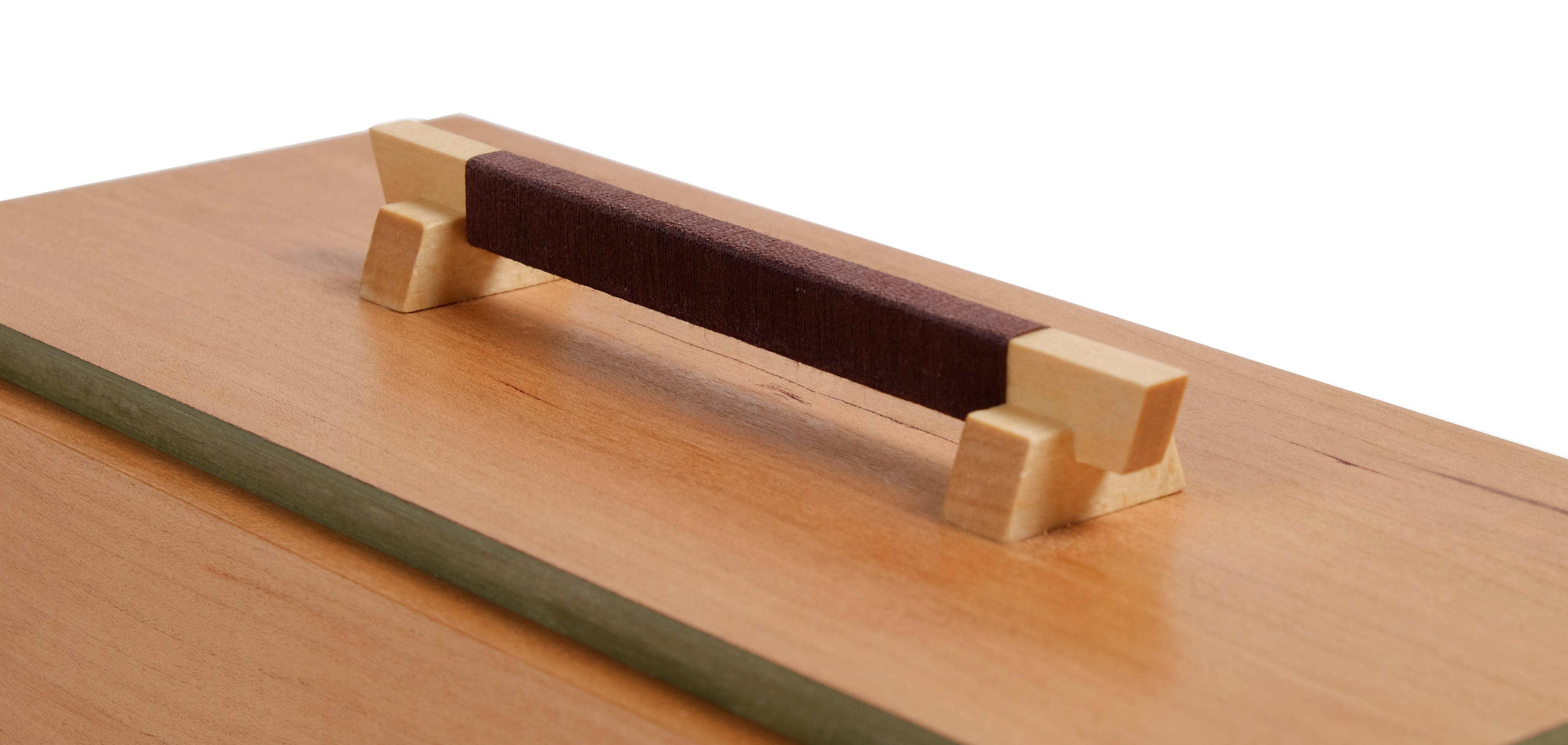
It’s been more than 10 years since I made the first thread wrapped pull, and I have made a ton of pulls in that time. What I’ve learned is that negative space is important when it comes to pulls and handles, because it makes the pull seem light and delicate, even if it is not. The negative space is also important practically, because it makes the pull easier to grasp.
My pulls have also gotten more fluid, or maybe, elaborate, and that’s because I acquired a new tool: the Shaper Origin. I will not try to sell you on it. I’ll only note that it makes possible pull designs that would otherwise be impractical or so time consuming that I’d never be able to charge enough to justify making them. It also made it practical to use mortise-and-tenon joinery to attach pulls. The Origin easily cuts a mortise centered on the lid or drawer front, and cuts an integrated tenon while cutting the pull. The tenon requires some handwork afterward, but not too much.
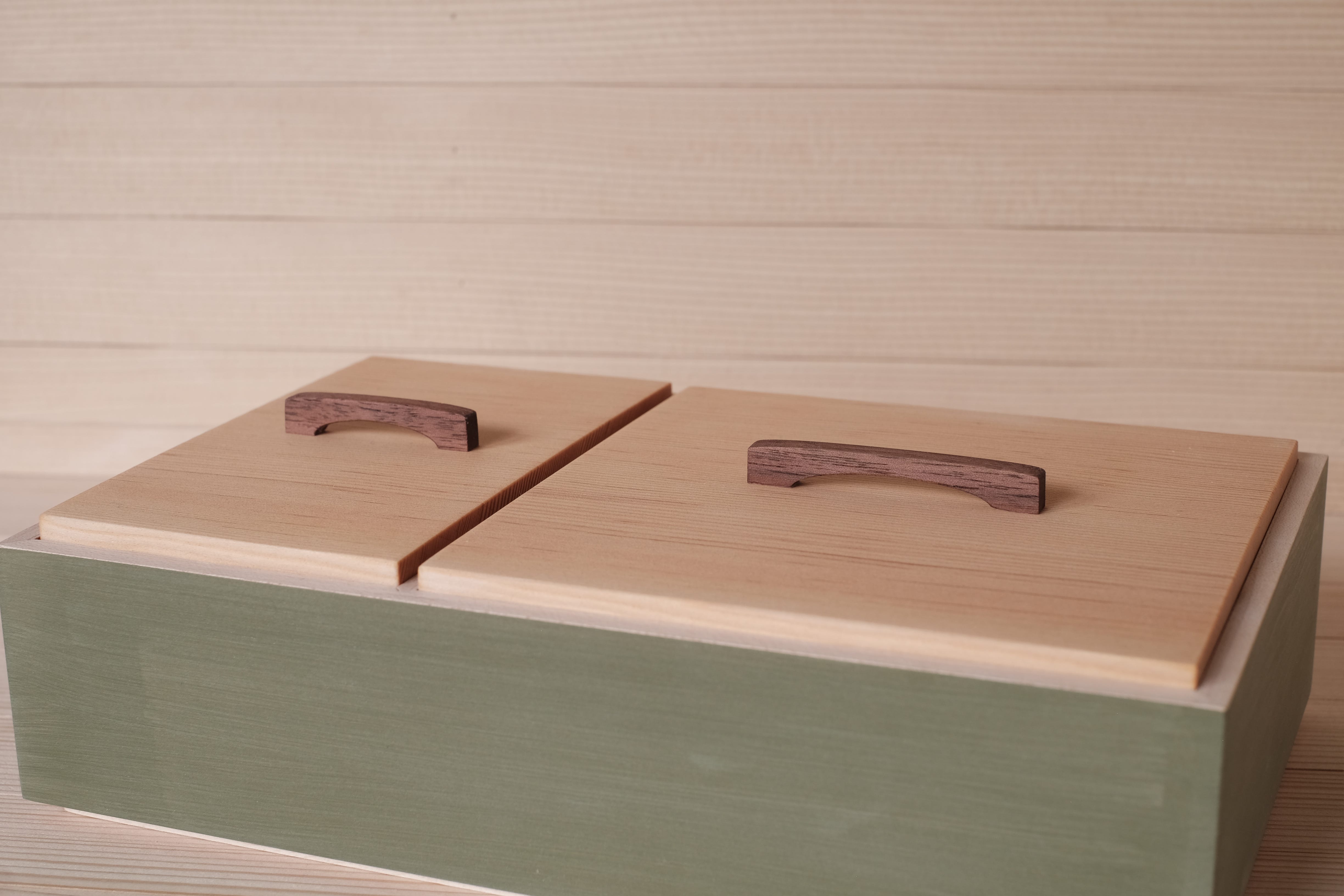
Below are photos of several different pulls that I’ve used recently. I’ll come back to them one by one if there is interest in that. I could explain my thoughts behind the design, how it was made and attached, etc. As always, thanks for reading and for subscribing, especially if you have a paid subscription. Please drop your questions and thoughts in the comments.


An encyclopedia of ideas for handles/pulls. I’ll be saving this post for later reference!
It's always a pleasure reading these posts :-)